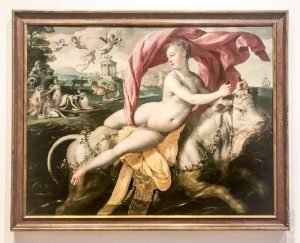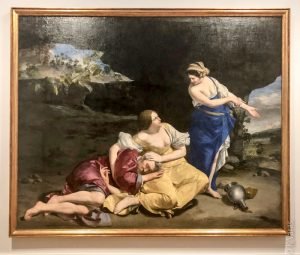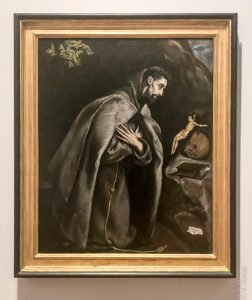

Bilboko Arte Ederren Museoa
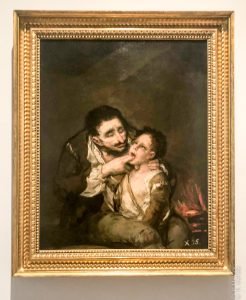
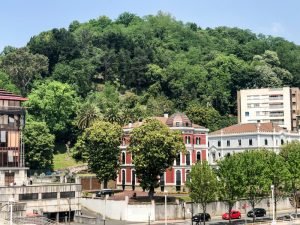
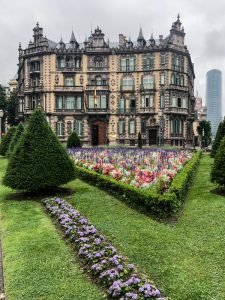
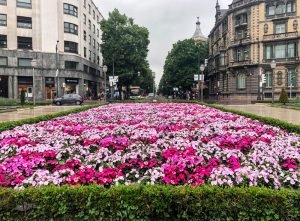
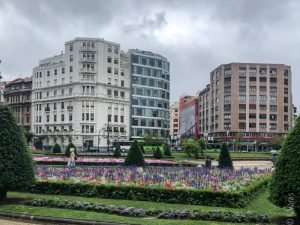
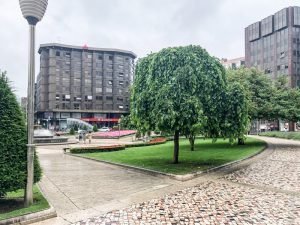
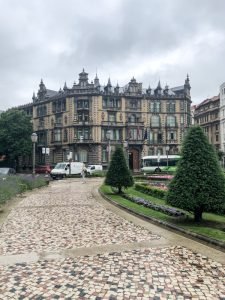
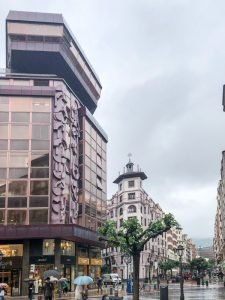
It was time again to feed my artistic soul and the perfect opportunity presented itself when the rains came. Instead of staying inside I decided to visit the Bilboko Arte Ederren Museoa, or, in human speak, the Fine Arts Museum of Bilbao. I had walked by it a number of times already–it sits on the edge of my favourite Casilda Iturrizar parkea–so it was a familiar destination and I made it there without getting wet. The site is made up of an old building part and a new, modern one, built in the 1970s in a modern style a la Mies van der Rohe.
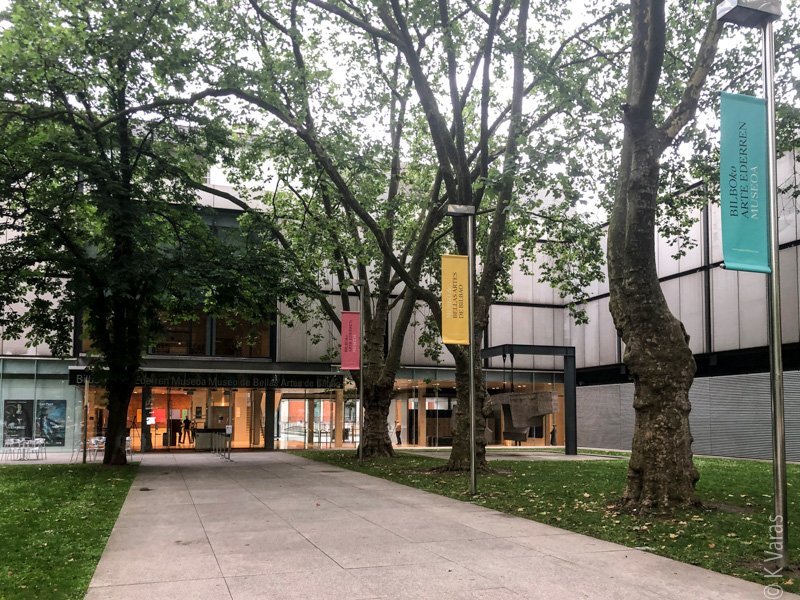
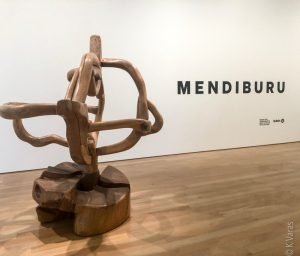
The coolest part of the museum, however, is how the collection within it is organized. Typically museums group their contents by style, period, artist, or special exhibition. This museum does it alphabetically. Yes, you heard it correctly: alphabetically, and not according to just any alphabet, but the Euskera one. This was going to be fun.
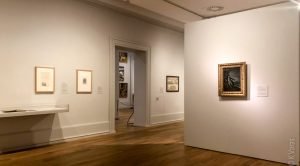
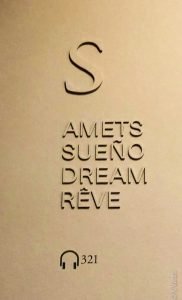
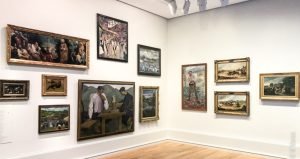
As I walked from room to room, I noticed the walls had letters and words in each one: the letters signified the order, and the words, in Basque, Spanish, English, and French, to go with the letter and the theme of each room. The letter may be from one of the four languages, too, and not just Euskera, though the actual order is based on that language. Some themes are more obvious than others. For example, B for Bilbao or J for Japan, but some take it a little further. One of my favourite ones was I for Iron, even though iron in Euskera is burdina, hierro is Spanish, and fer in French — but they chose the English i, go figure. The other one is K, which stands for kirol, or the much more commonly known word sport or deporte. There was also the LL (lluvia, euri, rain, pluie), Ñ (ñabar, multicolor, varicolored, multicolore), and TX (etxe, casa, house, maison) among others. You can get a taste (and the whole list) in this handy guide from the museum itself, but it is in Spanish (PDF).

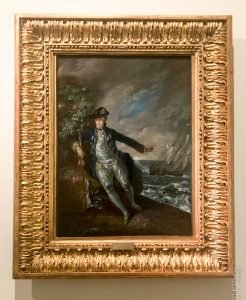
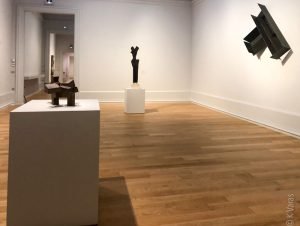
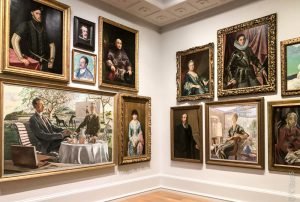
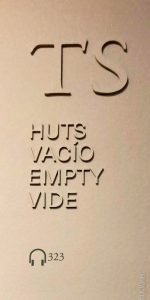
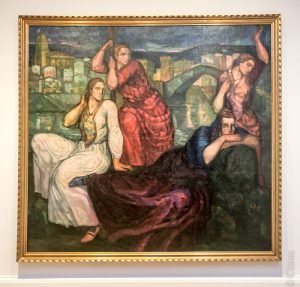
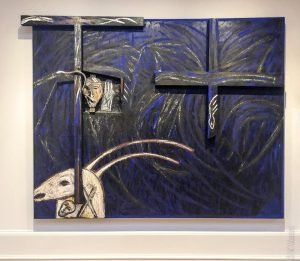
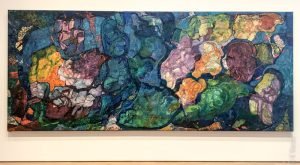
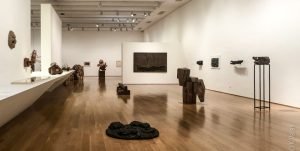
I found the whole place fascinating; each room a surprise, both visual and linguistic. It was fun trying to guess what the next room would hold. I really liked the portrait room, for example (R for retrato, erretratu, portrait) which had its walls totally covered by, well, portraits. Some of the rooms were trickier to decipher, most notably TS, for uhts, vacío, empty, and vide. It wasn’t an empty room, which would have made some sense, I guess, but the pieces were sparce-looking so maybe it did make sense after all? I don’t usually get modern art, and the feeling held, at least in this room.

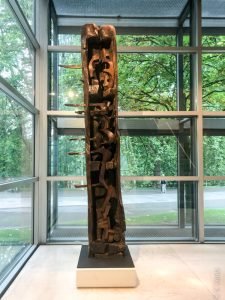
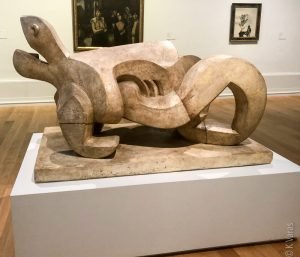
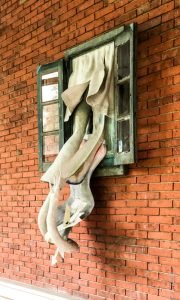
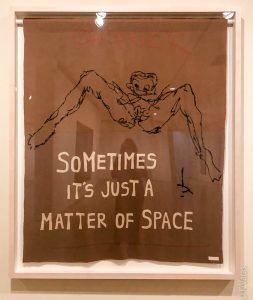
I spent a lot of time wondering around this museum, loving every moment of it, even when confronted by a couple of hanging men in the grand stairwell (it was an art installation, don’t worry, the Spanish are a peaceful people now). I loved the random-but-not-really mix of styles, ages, materials, concepts; I can honestly say this was, by far, the most unique museum I have ever been in. It is so cool that one relatively small city like Bilbao has so much to offer but then I should be used to this by now: every city, town, and village has something to offer in this country, and this is why I love it so much.