
Centro de Arte Reina Sofía
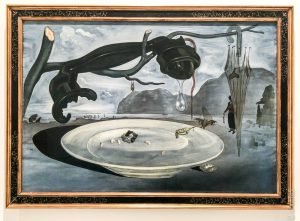
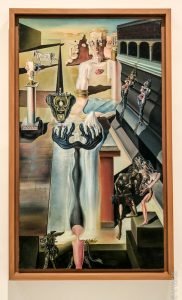
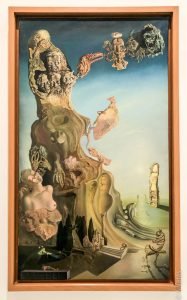
Museo Nacional is the second of the three grand museums along Paseo del Prado, and my final stop on this quickie trip to Madrid. It is also a fairly new museum, having been opened in 1990, it is dedicated mainly to Spanish art and includes excellent collections of Spain’s two greatest XX century masters, Pablo Picasso and Salvador Dalí.
I thought about going there later in the afternoon, but since I was already pretty tired of walking around seemingly aimlessly, and my feet were not happy about it all anyway, I decided to not wait for the free admission time and pay my €10 instead. Unfortunately for me, the bag drop-off area was closed leaving me lugging my backpack which seemed to get heavier and heavier with each step. As you know, backpacks are frowned upon in museums and I tried to be as careful with mine as I possibly could, carrying it in my hands most of the time, which, in my view, is actually the safest way to do so since it’s easy to drop it on the ground for picture taking or generally controlling its location. The museum staff didn’t always see it my way. As I moved from area to area I found the attitudes of the guards decreasing steadily from very understanding to downright rude and practically forcing me to put the backpack on my front. I tried to explain them that was impossible (it really was) and if it hadn’t been for their lack of bag/coat room I wouldn’t be in that predicament in the first place. I get that they were terribly bored with nobody around but you’d think they would be happy to actually have someone come into their rooms. 🤷♀️ </rant>
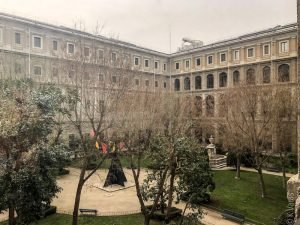
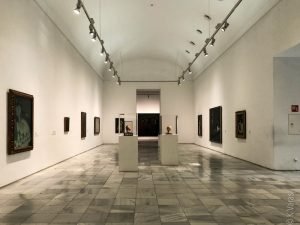
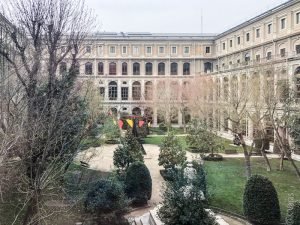
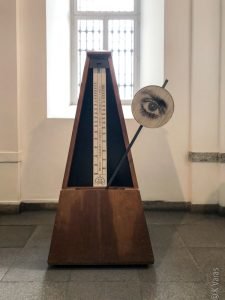
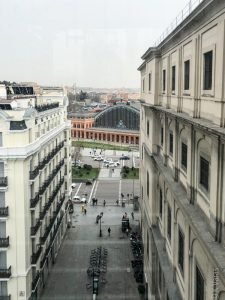
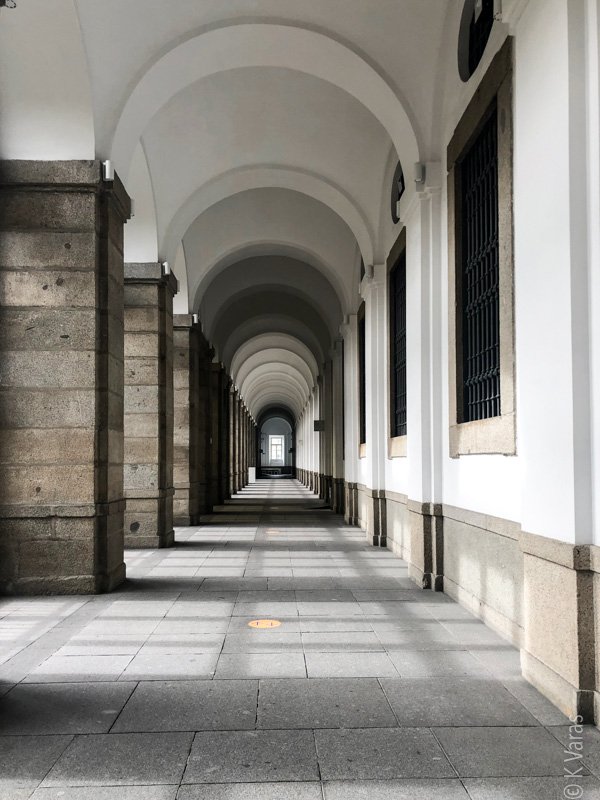
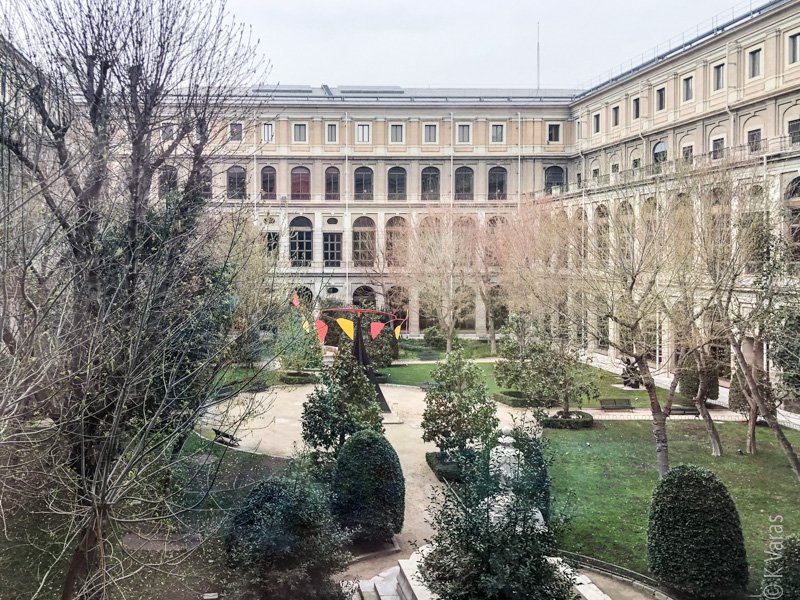
Again, I started at the top. As I took the outward-facing elevator up to the fourth floor, I got a really good view of Madrid and the Madrid-Atocha train station; I had not realized it was this close. Inside I was faced with deadly silence and a feeling of a TWD episode: imagine, there I was, alone, on a top floor of this huge building built around a very large courtyard, with a massive metronome in one corner, and not a soul around. Any second I was expecting a hungry zombie to come out one of the many doors — I tried to be as quiet as I possibly could except for the click-clack of my boots. Why didn’t I wear my runners? Oh, they’d probably squeak on these marble floors anyway; I’d be in trouble no matter which footwear I had on. Brushing thoughts of imminent death aside, I stepped into the first room I saw and began my very diligent trek from painting to painting.
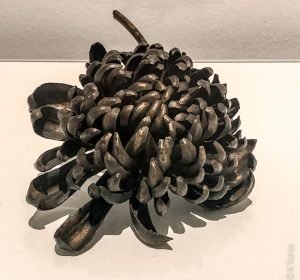
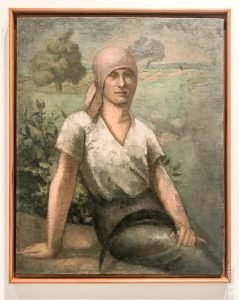
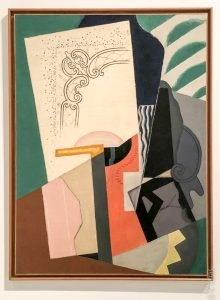
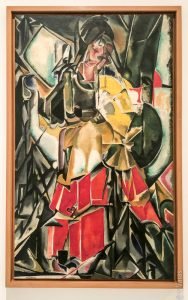
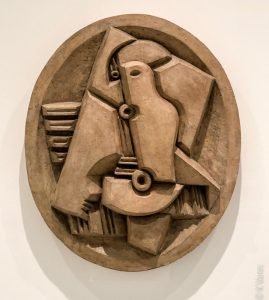
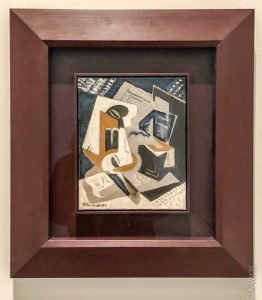
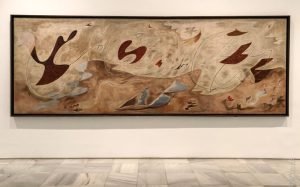
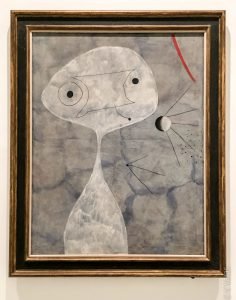
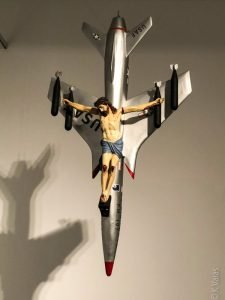
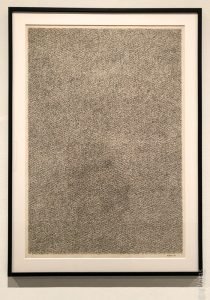
I have to admit that I did not have an urge to photograph everything I saw in this collection; I just didn’t have the same kind of connection to these pieces like I had at Thyssen. I guess this “modern” stuff just isn’t as much of a draw for me; who knew? Normally I like “modern” but I guess that only applies to architecture and design and not art art. There was still a lot to see anyway and, since my feet were already begging me to stop, I had to keep moving, like a shark, or I’d end up sitting down on one of the benches by the windows to the courtyard and staying there until closing time, or forever. Many rooms were full of abstract art that I found interesting but not necessarily beautiful or meaningful, and there were sculptures that made me scratch my head a bit. Perhaps this is why the fourth floor was so empty?
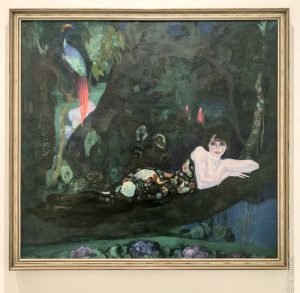
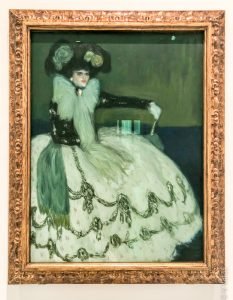
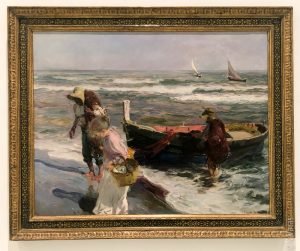
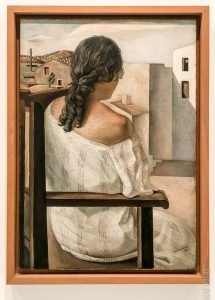
Undaunted, I headed down to floor 2 (floor 3 being closed) to see the heart of the museum–Collection 1: The Irruption of the 20th Century: Utopias and Conflicts (1900-1945). Now, that’s more like it! This is where the Picassos, the Dalís, the Sorollas were, this is what I had come here for. And I wasn’t disappointed!
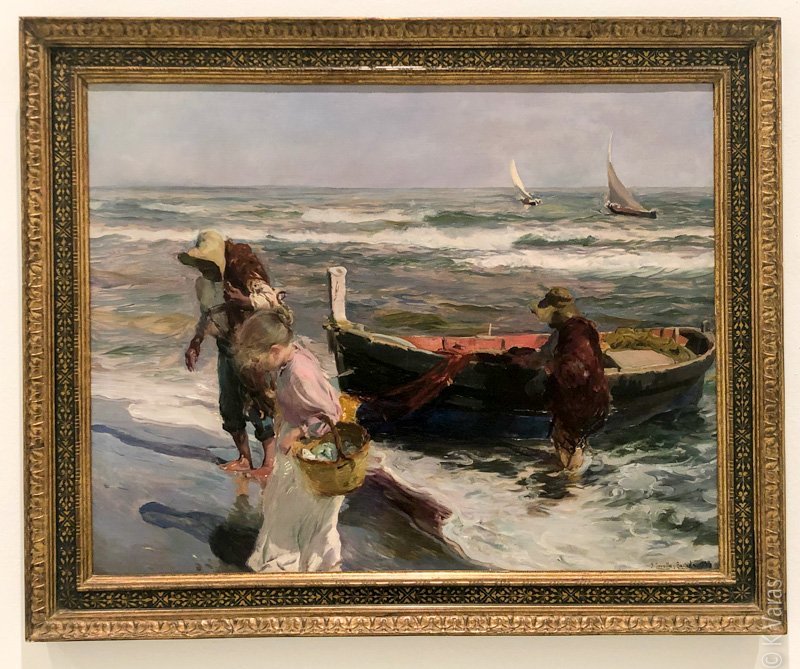
I absolutely love this part of the Reina Sofía and could spend hours here, and I will, one day again soon, when my feet don’t hurt quite so much and when my backpack isn’t quite so heavy, or even there at all. I would also like to be back when I have a hidden camera built into my jacket button or something because photography is not allowed in the best part of this exhibit. Yes, about half of the floor is in the dark, so to speak. I had no memory of this being the case from my previous visit so I wasn’t mentally prepared for it. The entrance to this section is a very dark room with Oskar Schlemmer’s Das Triadische Ballett (The Triadic Ballet) staged there. It’s quite stunning and I wanted nothing more than to capture the colourful figures only to be sternly reprimanded and shown the dreaded “No Photography” sign. You will just have to trust me when I tell you that the next 45 minutes were spent in a state of permanent awe. As I wandered from room to room, nervously grabbing at my phone only to realize I wasn’t allowed to use it, I was thinking how unfair it was for me to not be able to document this experience for myself. Or to share it with you.
And then I walked into THE room. My recollection from eight years ago was that there were so many people in it, I didn’t even feel like I’d seen it. I’d say there were easily 100 packed in there with me. This time I shared the space with only a handful of other humans. What a difference eight years and a global pandemic make, eh? Within a couple of minutes, the other visitors went away and there I was, all alone, with arguably one of the most famous paintings in the world: Pablo Picasso’s Guernica. To say it fills all the space in the room is an understatement. That it takes the air out of the room is probably closer to the feeling I experienced. I just stood there for a good while just taking it in. I will never forget how it felt and I had a sense that the two guards (it is so large it needs two) knew what I felt too. We even exchanged a knowing nod and a smile.
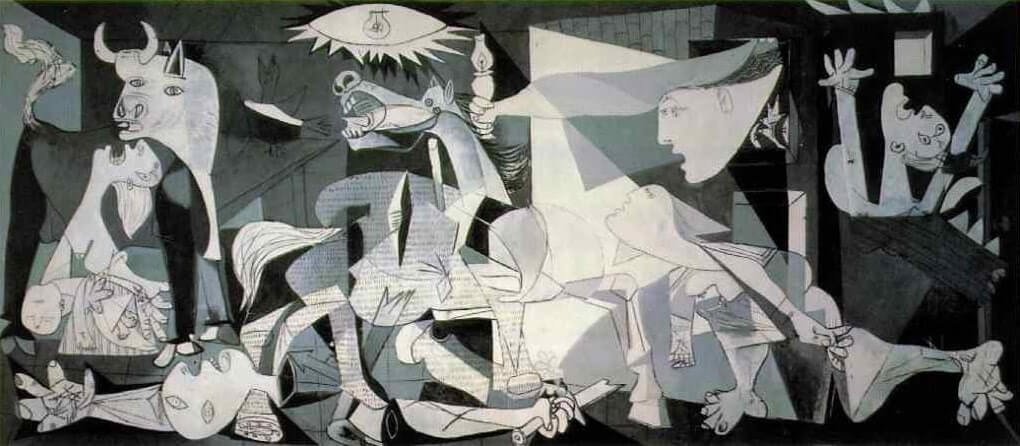
Knowing more about the painting this time around helped too. Guernica is like the Mona Lisa, everyone knows it but not everyone knows what it’s all about. Picasso painted it in 1937, shortly after Nazis bombed the Basque town of Guernica during the Spanish Civil War, killing many innocent people. The painting is a statement against the brutality of war, especially when waged against civilians. It was painted in Paris and spent a lot of time in the Met in New York. Picasso didn’t want it to hang on Spanish soil until the country was democratic so it wasn’t until after Franco died that the mural (because it really is more of a mural than a painting) would find its home in Madrid. Check out this page as it does a very good job telling the story of the painting and the events that brought it to life.
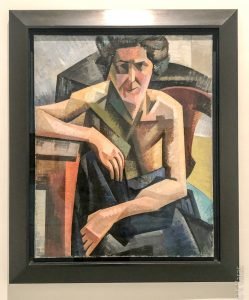
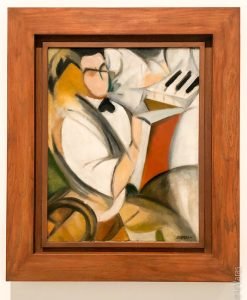
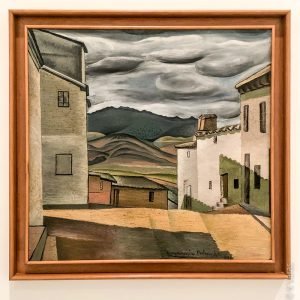
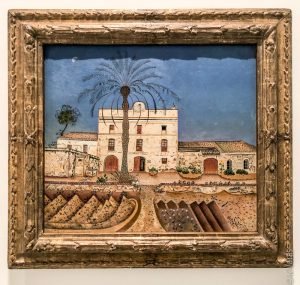
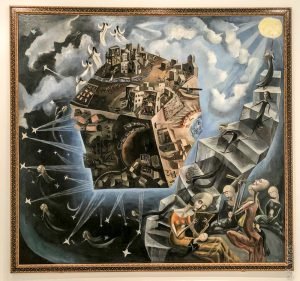
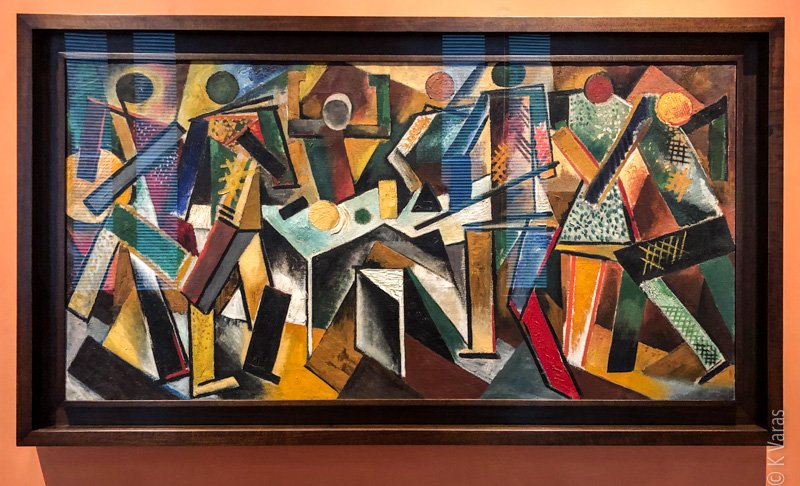
After leaving the “forbidden zone” I finished the floor still reeling from the experience of seeing the masterpiece as well as many others I have already forgotten (because NO PHOTOS); all I know is that I enjoyed it all very much. I did manage to take a few more pictures in the allowed areas but the sheer quantity of pieces was starting to make it all blur together. Fortunately many of the paintings were very large making the rooms go by faster, something I was rather grateful for.

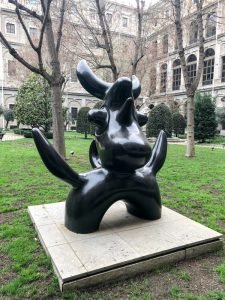
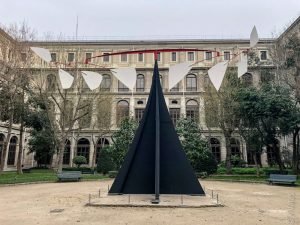
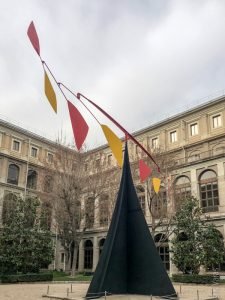
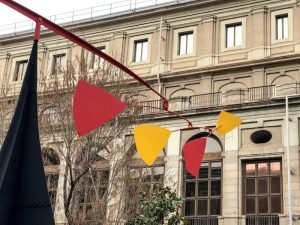
I even managed to stick my nose into some smaller temporary exhibits but by this time I was fading, and fading fast. Knowing I still had lots of time before needing to head to the train station I decided to go into the courtyard and check out the sculptures out there, but also to sit on a bench for a while and just chill. The weather hadn’t improved much but being surrounded by four sides of a large building did, in fact, make it a pleasant spot to rest. The huge Alexander Calder mobile was a colourful companion, too.
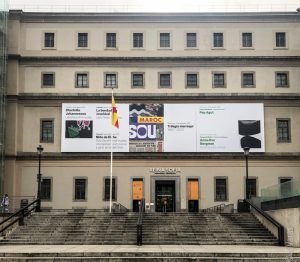
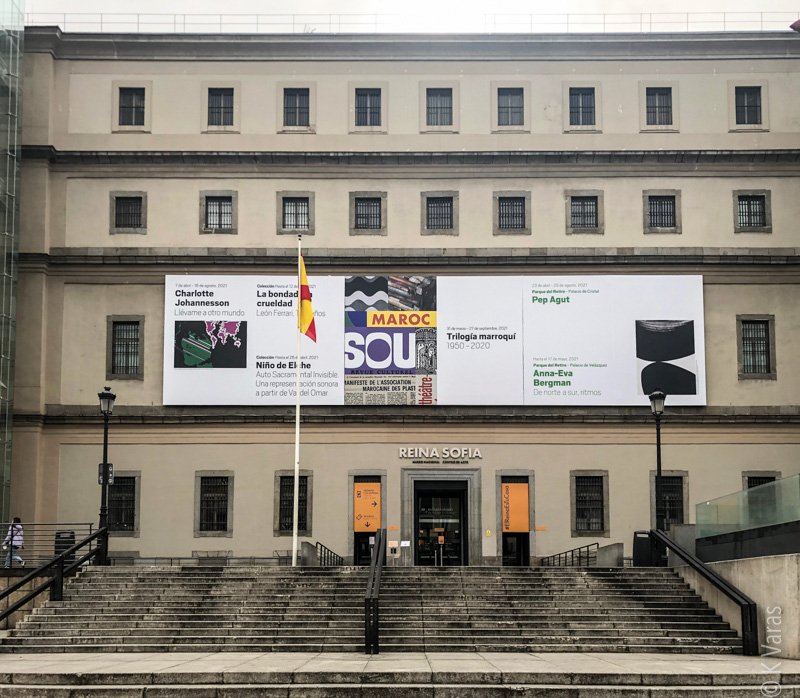
As I was leaving the museum, I noticed that the sign on the façade of the museum was advertising upcoming exhibits and I was happy to see that there will be many new things for me to experience in the future. I also noted the number of people waiting for free admission (at 6pm) and was pleasantly surprised at there being far fewer than in 2011 but enough to know that art is still needed and people want to see it. I will be making repeated visits in May and reporting back; I just hope there won’t be many “no photo” zones because I do not like those at all. Stay tuned!